

Travel Pivots was born out of a simple observation: many of the people selling and delivering luxury travel were wrestling with the same problems, but rarely had a neutral place to discuss them together.
So in 2022 Suzanne Shalaby created a by-invitation-only gathering after the pandemic disrupted careers and companies across travel. At the time she worked at Jumeirah and is now Director of Business Development for Park Hyatt Americas, but the event is not affiliated with the hotel brands.
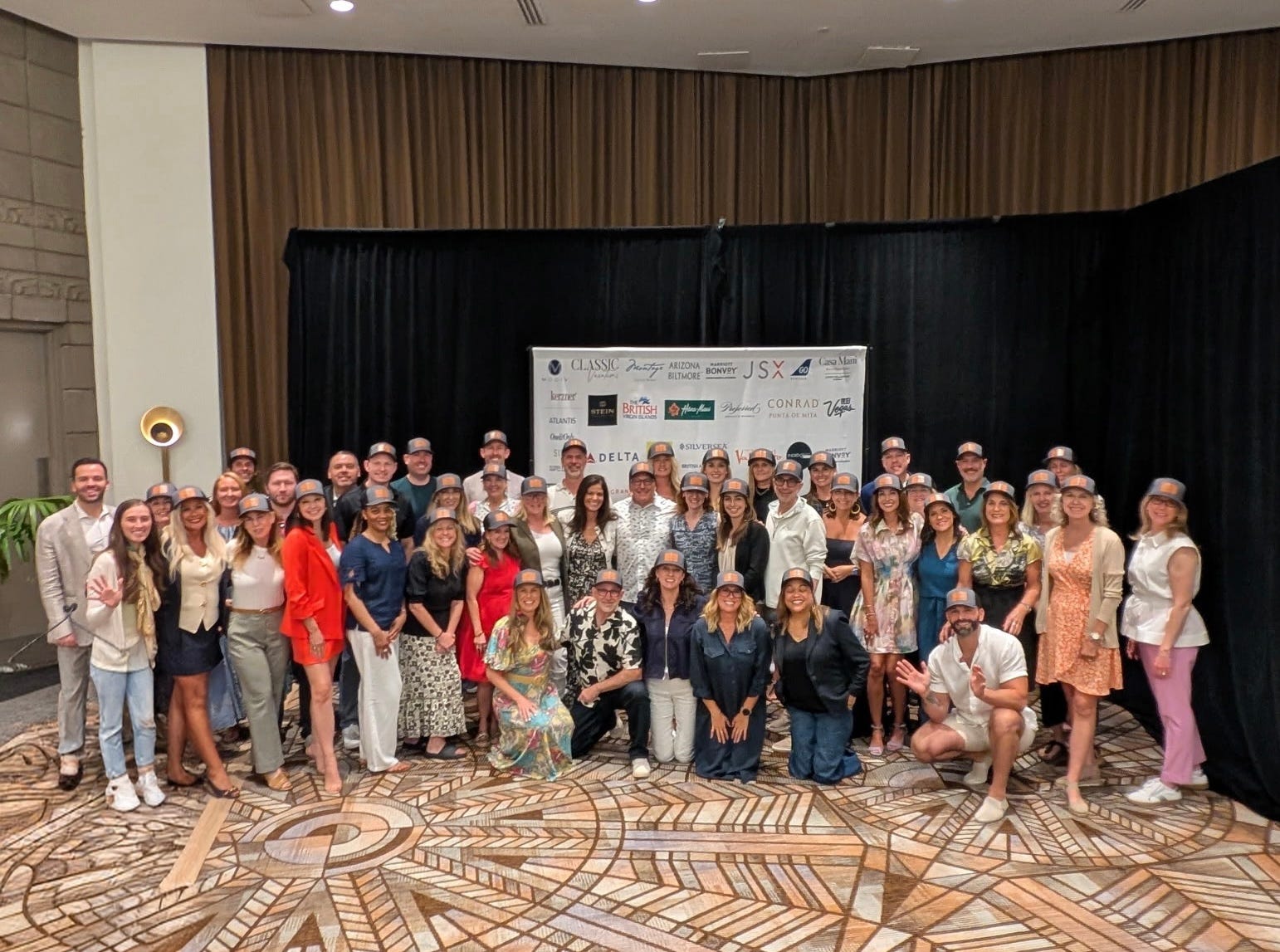
What started as a small, independent forum has since become an annual meeting of about 50 advisors, hoteliers, and professionals from cruise, airlines, and other industry counterparts.
“I just felt that some sort of exchange among colleagues, advisors, suppliers - other than the normal traditional trade shows that we all do, needed to happen in a more organic and intimate way,” Shalaby said in a video call with The Luxe Ledger.
The event has been hosted at the Arizona Biltmore in Phoenix each year, but the fifth edition entitled “Luxury Under Pressure: The Partnership Standard” and which took place from July 8-10 was designed for something more ambitious: to make a greater impact on the industry at-large.
“Travel advisors are our industry’s most trusted ambassadors, and Travel Pivots represents a think tank and a catalyst for the future of hospitality,” remarked Michael Hoffmann via email, VP and Managing Director at the Arizona Biltmore.
“It serves as an important forum that explores the evolving landscape of travel, emerging trends, and the opportunities and challenges shaping our industry,” he wrote.
The Setup
“In the past we didn’t really establish a framework or a plan of action on how we’re going to strategically move forward on all of the things that we talked about,” explained Shalaby. “I wanted this year to be different.”
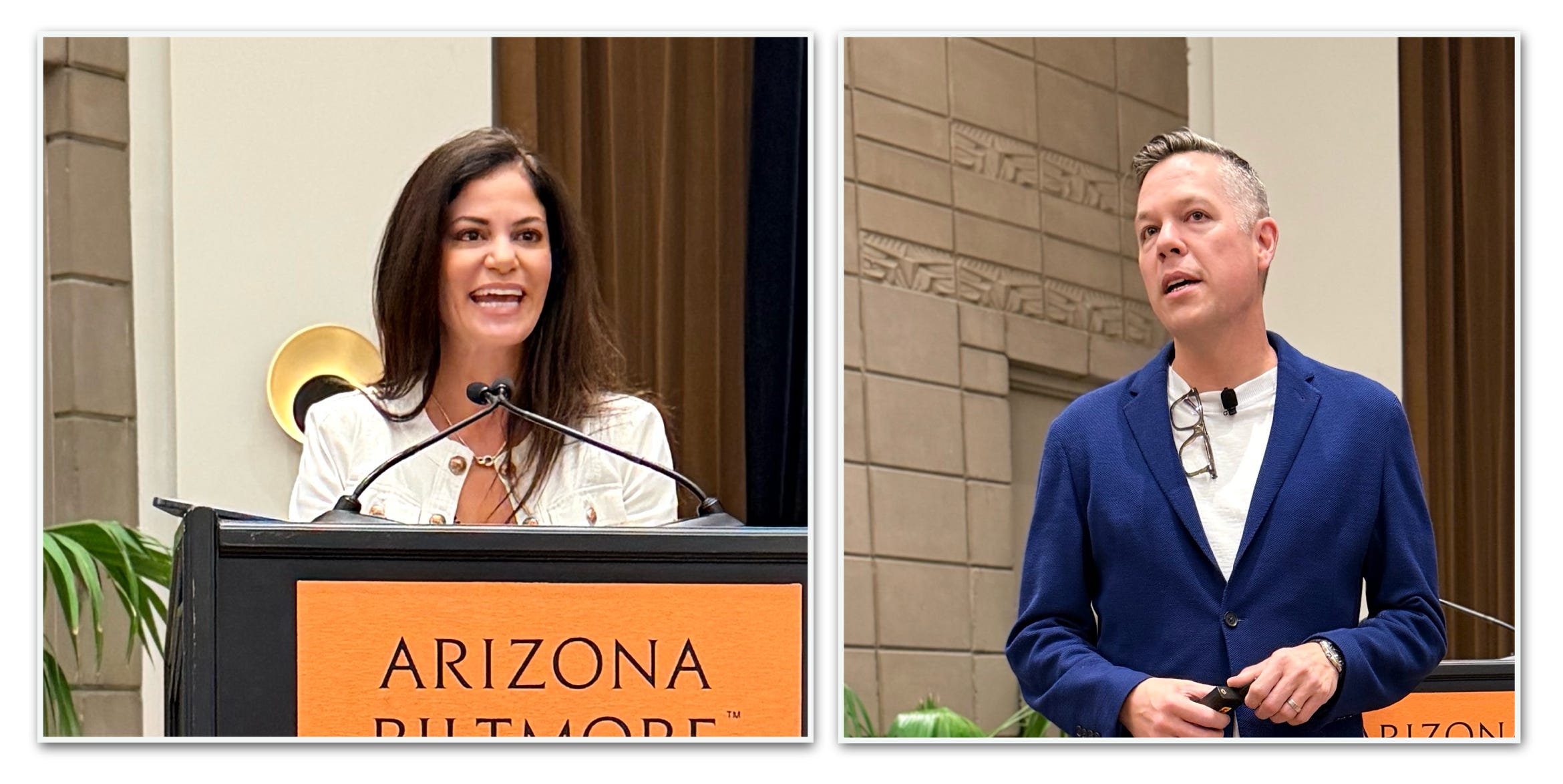
In order to accomplish that she brought in Brian King, CEO of the Modiv Group, a luxury travel strategy and intelligence consultancy. King acted as a facilitator to create and foster an environment for attendees to discuss the industry’s most pressing challenges.
To do that, King and his team laid the groundwork months in advance by reviewing previous editions, surveying advisors and suppliers ahead of the event separately, and identified the tensions both groups considered most important.
“I have been attending Travel Pivots for four years and been part of the planning committee for the past three years. What Brian King and Modiv Group did to elevate this year’s event was amazing,” remarked Lindsey Graff, Director of Leisure Sales, American West at Preferred Hotels and Resorts.
“We continue to say that relationships are at the core of our business, but are we really understanding what the other side is dealing with?” she questioned.
The results shaped five discussion areas for this year’s event:
The Reciprocity Gap - an exploration of what partnership really means between advisors and suppliers;
The Program Problem - unpacking the complexities of the reward and loyalty ecosystem;
The Quality Divide - an exploration of “how to reward high producers without abandoning professional development” for newer entrants;
AI and the Right Line - where the boundaries are between AI and human service; and
Geopolitical Reality and Duty of Care - an examination of industry responsibilities to travelers.
“I’m not a guy who wants to just have a good meeting,” King said. “I want people to do things differently as a result of it.”
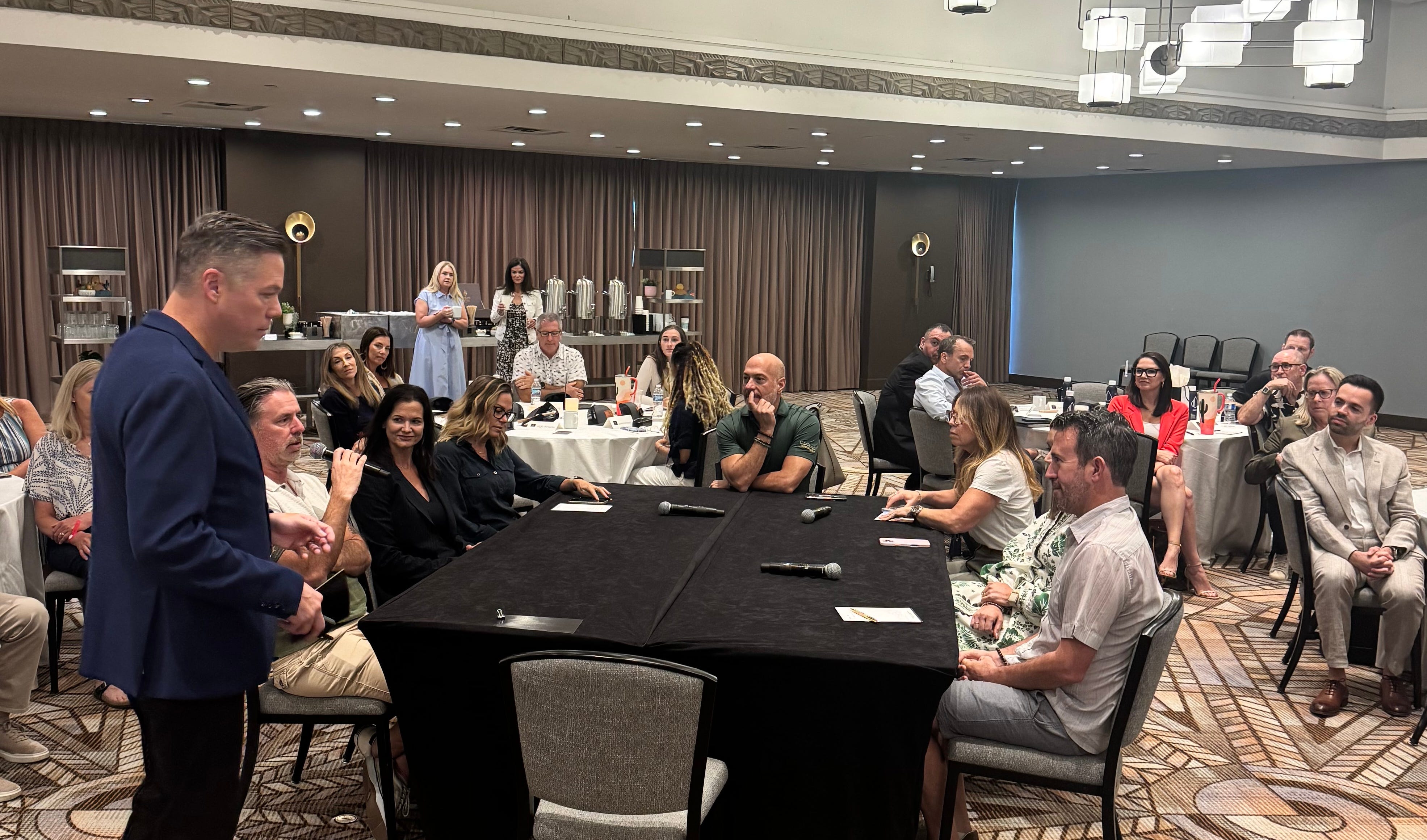
Rather than place a row of speakers onstage, Modiv created an eight-seat “center table” in the middle of the room.
Advisors and suppliers opened each topic under predetermined rules, with King working to keep the time balanced between the two sides. Everyone else at the surrounding tables was tasked with recording their thoughts, including possible standards, next steps, or other ideas worth contributing to the workshop.
“I wish we could kill panels,” confessed King. “I think that they’re overly scripted and polished.”
“We are not on an island alone. Most of our challenges ring true for our peers, and it is so nice to have open discussions,” wrote Robin Sanchez via email, President of Montecito Village Travel and Your Travel Center. “Egos are left at the door, so the raw honesty in the room is so refreshing.”
The work didn’t end when the central discussion did, as the event required attendees to play a much more active role under the proprietary methods developed by the Modiv Group.
“It wasn’t you get to come and just have a conversation,” King said.
“It was you need to come, you need to listen, and you need to add your voice. Then we’re going to construct a framework at the table that is the beginning of how we move this forward.”
“King’s facilitation cut straight to the pressures advisors are facing right now and I left with real, actionable ways to make their experience with JSX more seamless,” wrote Nick Hansen via email, Manager of Channel Sales at the aviation service.
The Rubber Meets the Road
Each major session received about 90 minutes. King described the mood of the room initially carrying enthusiasm and apprehension, but explained that more people became involved once attendees understood that the process offered both psychological security as much as it demanded attention to concrete tasks.
“It felt less like a trade show or fam, and more like a true group think - one that speaks directly to every advisor in the room, not just a select few,” wrote Jennifer Jacob via email, founder of TiqueHQ and Tique Talks.
According to King and many other participants who sent comments via email, the first discussion on reciprocity exposed how casually the industry uses the word “partnership” without clarifying or communicating expectations.
For example, advisors may expect client recognition, reliable benefits, and protection from direct-booking interference. On the other hand, suppliers may expect product knowledge, communication, and measurable support.
Both sides learned each can overpromise, while poor data often leaves suppliers unable to distinguish between different forms of advisor value.
The second, preferred-program discussion revealed a different strain.
King said 89% of advisor respondents identified the number of booking channels, with different rates, perks, and requirements as one of the biggest challenges of the job. Advisors may technically have access to hundreds of brands and programs, he said, but actively use only a select few.
Similarly, 80% of suppliers say advisors are not using the programs built for them.
The third conversation about quality addressed the industry’s low barrier to entry, and uneven educational and mentorship structures. But one surprising realization was the limits of judging advisor value purely by production numbers.
The AI session explored the limits of automation and where human judgment remained essential, but it was the last session about geopolitical realities and duty of care that produced one of King’s strongest reactions.
Luxury advisors find themselves fielding questions about political instability and safety all the time, yet many lack training for extreme crisis situations.
Whereas corporate travel has established systems for traveler tracking, alerts and crisis response, luxury travel often relies on insurance, supplier contacts, or individual judgment.
“The host agency of the future must have a strong systematic approach to managing duty of care for their travelers,” King said. “This is an emerging space and an emerging topic that needs to get discussed a lot more.”
Attendees acknowledged that there are many hands that touch a traveler’s itinerary as they move along their journey, which raises questions about liability and risk.
Mickey Weill, Vice President of Advisor and Partner Engagement at Global Travel Collection, has attended all five editions. His assessment - among more than a dozen who emailed comments - captured best what changed this year.
“It wasn’t an event about destinations, affluent traveler trends, or product launches. We spent the time discussing the harder issues, examining the operating system underneath luxury travel, and admitting where it needs work,” he explained via email.
“Every topic started with research, but the real work happened when advisors and suppliers in the room were tasked to build new frameworks together, not just diagnose the problem again.”
“Suppliers and advisors willing to have the uncomfortable discussions about what’s working and what isn’t are the ones who will ultimately create better experiences for travelers and stronger business results for everyone involved,” wrote Marcus Hemphill via email, Complex Leisure Sales Manager at the Conrad Punta de Mita & Hilton Los Cabos.
On the Horizon
Outputs remain preliminary, but the Modiv Group is in an active evaluation phase.
“We came out with early frameworks...None of them are finished,” remarked Weill. “They’re first drafts of standards this industry has avoided writing down for years.”
For him, the quality discussion stood out most. “It forced the room to confront both the low barrier to entry and the danger of treating production as the only measure of professional value.”
“We weren’t having the same polished conversations we have at every other industry event,” said Heather Keller, founder of Perfect Landing Travel.
“Advisors and suppliers were both honest about what isn’t working, and I left realizing we share many of the same frustrations,” she continued. “We just need to be more willing to talk about them and actually do something differently - which is definitely our biggest challenge!”
Personal observations from The Luxe Ledger have witnessed identical eagerness for participation in Europe.
In April at Travelux Club in Venice during a moderated panel, once the microphone began moving through the audience the event effectively turned into a similar kind of workshop. Advisors and suppliers alike are evidently hungry to compare experiences, challenge assumptions, and build bridges.
Travel Pivots points to the same conclusion.
“The biggest lesson for me was that while technology, loyalty programs, and consumer behaviors continue to evolve, long-term success still comes down to trust, authentic relationships, and a shared commitment to delivering exceptional travel experiences,” wrote Rebecca Mcarthur via email, Director of Sales, Caribbean & LATAM for Marriott International.
Industry professionals are not short on opinions about what needs fixing, but what’s clearly needed are more neutral settings for candid exchange and the development of commercial relationships.
What solutions come from the fifth edition of Travel Pivots remains to be seen.
Nevertheless, it may have just proved that experienced professionals are ready to stop treating these subjects as private complaints, and start treating them as shared industry work.
This story first appeared in Luxury Travel Advisor.